Ballsort Classic
Casual mobile game
ROLE
Game UX/UI Design
Visual Design
Illustration
Motion Design
GOAL
Launch a new Keesing Digital game with a distinctive visual identity and a fresh take on a classic puzzle.
CHALLENGE
Create an engaging, scalable game experience that could evolve through new assets and visual themes without becoming repetitive.
Thinking about the user
Game UX Design.
According to our user data, the largest audience for this type of puzzle is women aged 25 to 50.
Our players enjoy simple, intuitive games that can be picked up at any time. They often play during moments of downtime, such as commuting or waiting for an appointment.
This meant the experience needed to be immediately understandable, lightweight, and engaging enough to keep players coming back.
Development journey
The design process.
Once we had defined the core game flow, we started working on the visual direction.
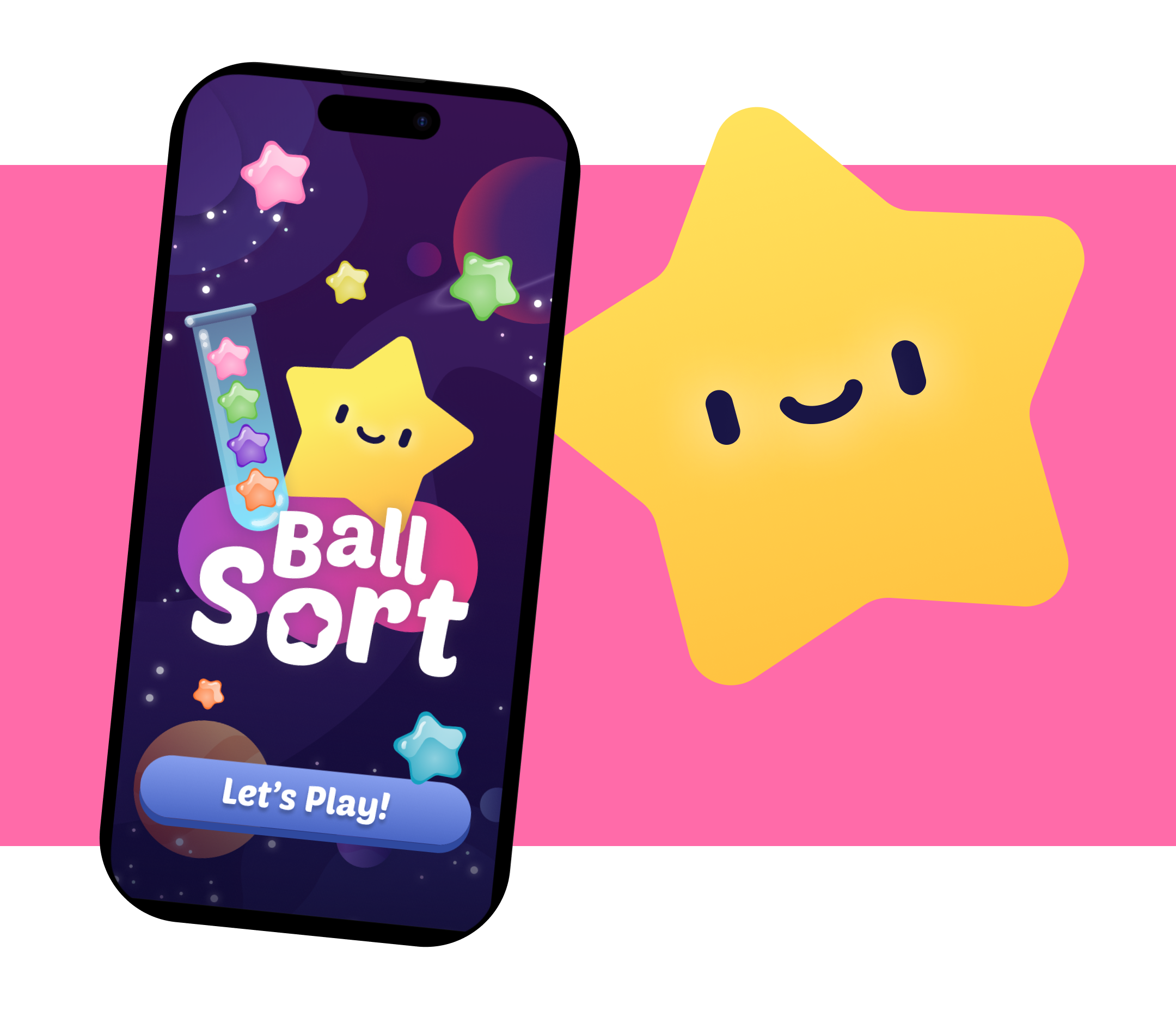
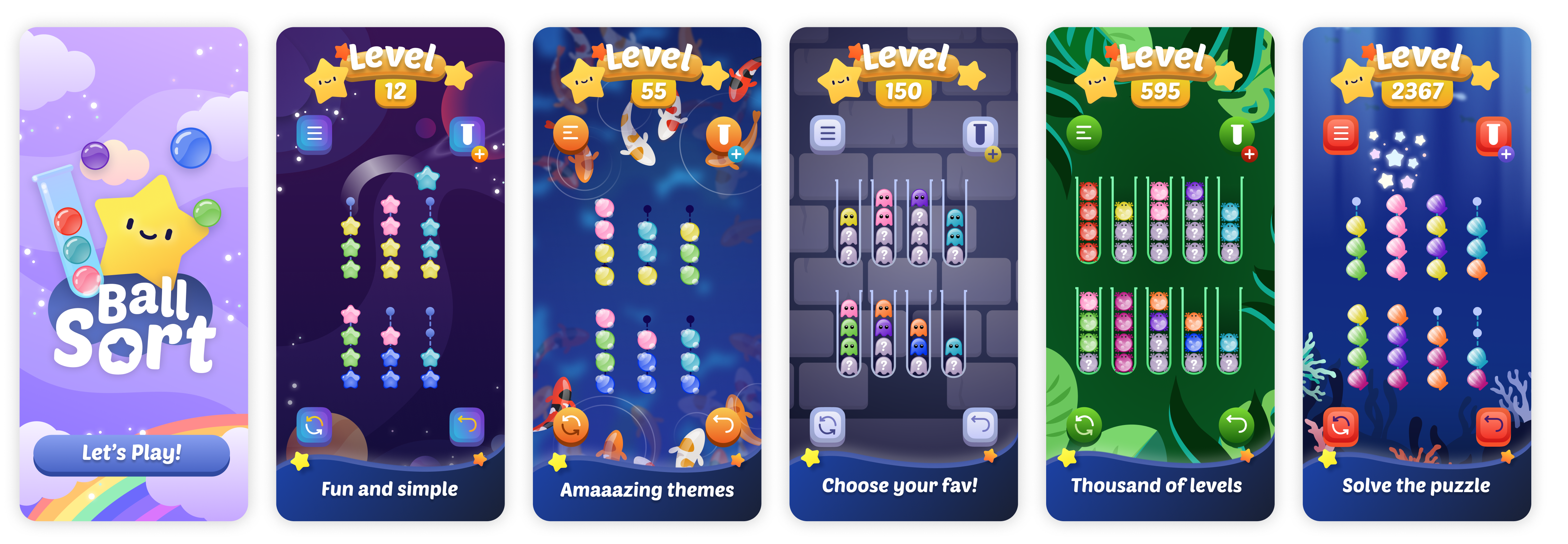
We decided to create a character as a recurring element throughout the experience, giving the game a recognisable visual identity. We also wanted players to be able to unlock and change visual assets as they progressed through the game.
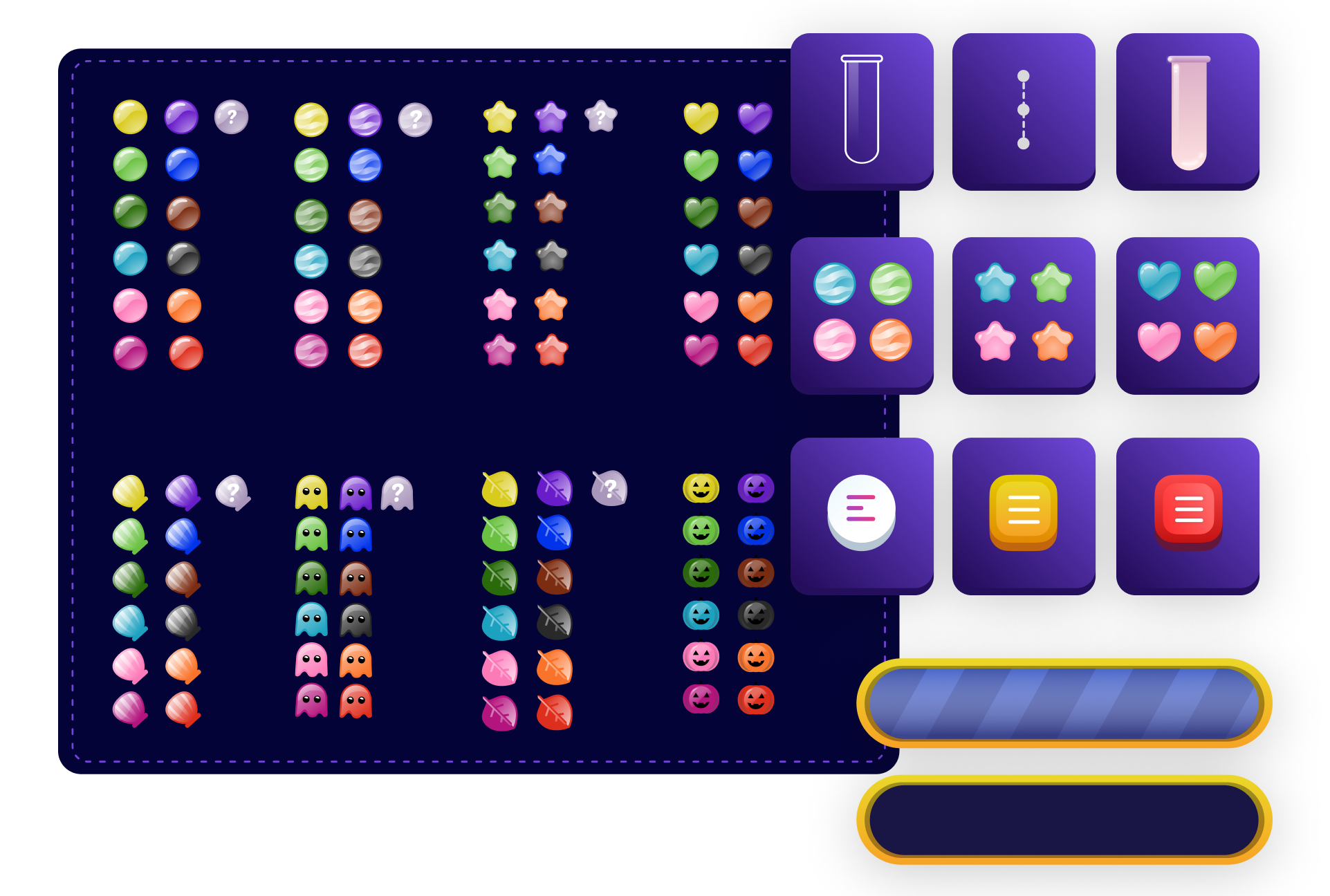
The game board needed to work as a flexible system, so we designed its components with reusable proportions, sizes, and states.
Once the dimensions and variable elements were defined, we built the visual asset library.
This was one of my favourite parts of the project. As an illustrator, I had the opportunity to build the visual world of the game from the ground up.
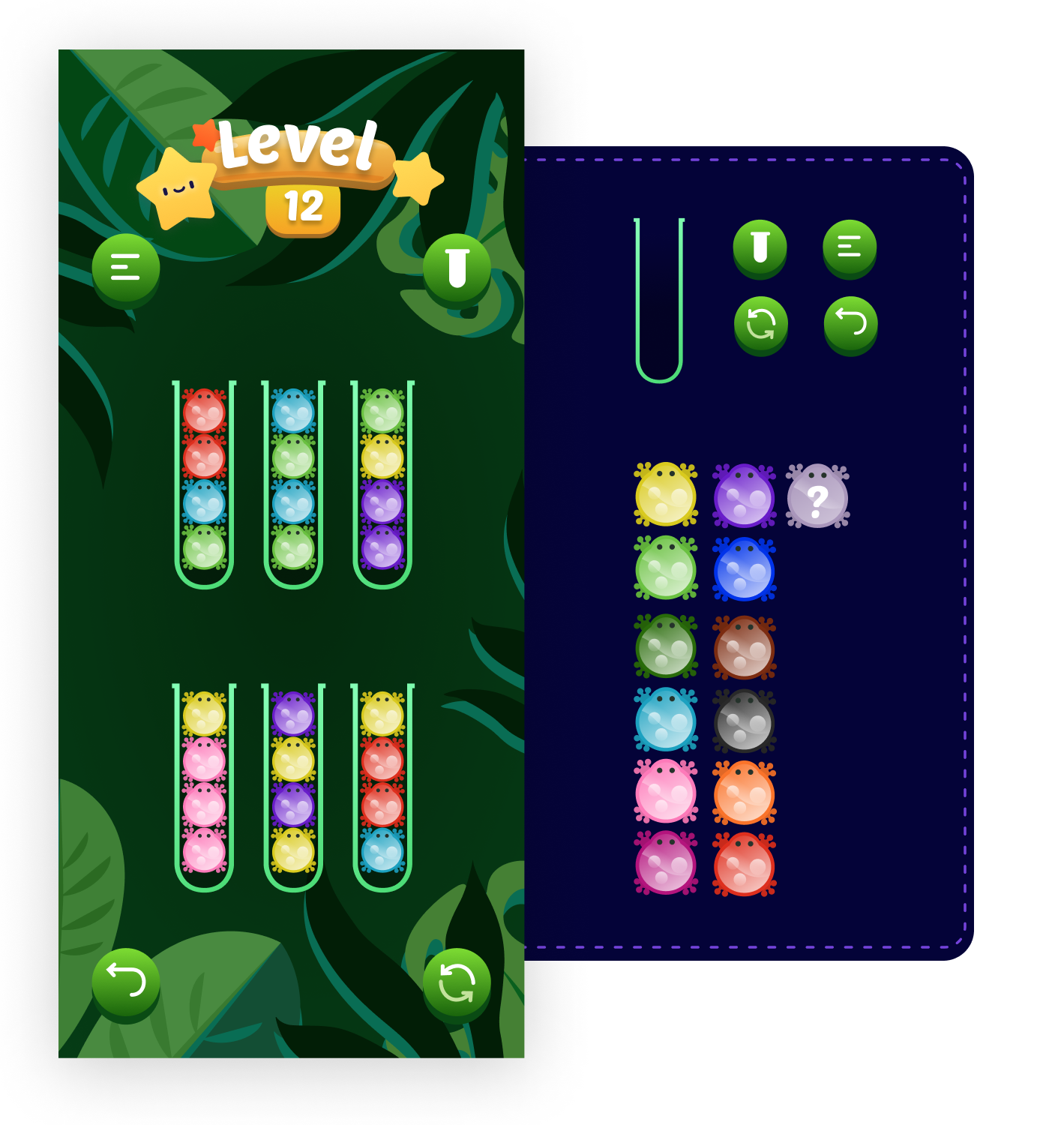

The core gameplay was intentionally simple, but we needed the experience to feel lively and engaging enough to maintain players’ attention.
To achieve this, we introduced subtle and recurring animations throughout the gameplay, providing feedback and adding personality to the experience without distracting from the puzzle itself.
After several rounds of review and iteration, the game was ready to launch on the App Store.
We also created the promotional assets needed to support its launch and acquisition campaigns.
User acquisition
Google Ads.
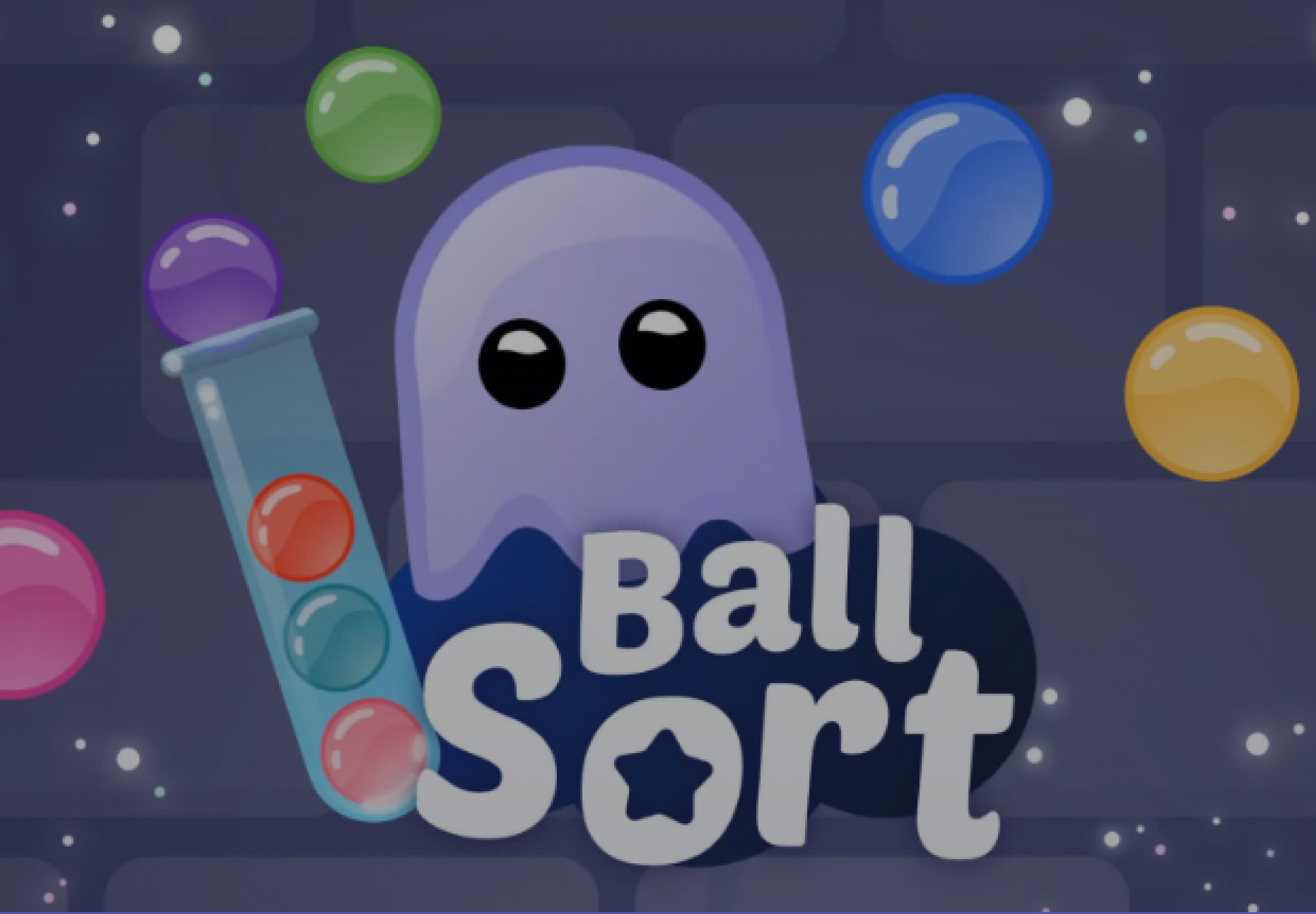
We created Google Ads campaigns and ran A/B tests to understand which visual direction and interface concepts resonated most with users. I was responsible for creating both video and static assets for these campaigns.
Outcome.
A complete puzzle game, from gameplay and visual system to illustration, animation and acquisition assets, ready to scale with new themes and content.
What I learned
This was my first game design project and one of the most enjoyable projects I’ve worked on.
Building an entire visual world from scratch taught me how important it is to keep every component, asset, and state organised and consistent—not only for my own workflow, but also to make collaboration across the team easier.
Working on a live product also showed me how important scalability is from the beginning. A visual system needs to be flexible enough to support new content without losing its identity.
Next steps
The core product was successfully completed and launched, but there is always room to expand a game like this.
Future iterations could introduce new skins, visual themes, and additional content to keep the experience fresh and encourage players to return.
More Work
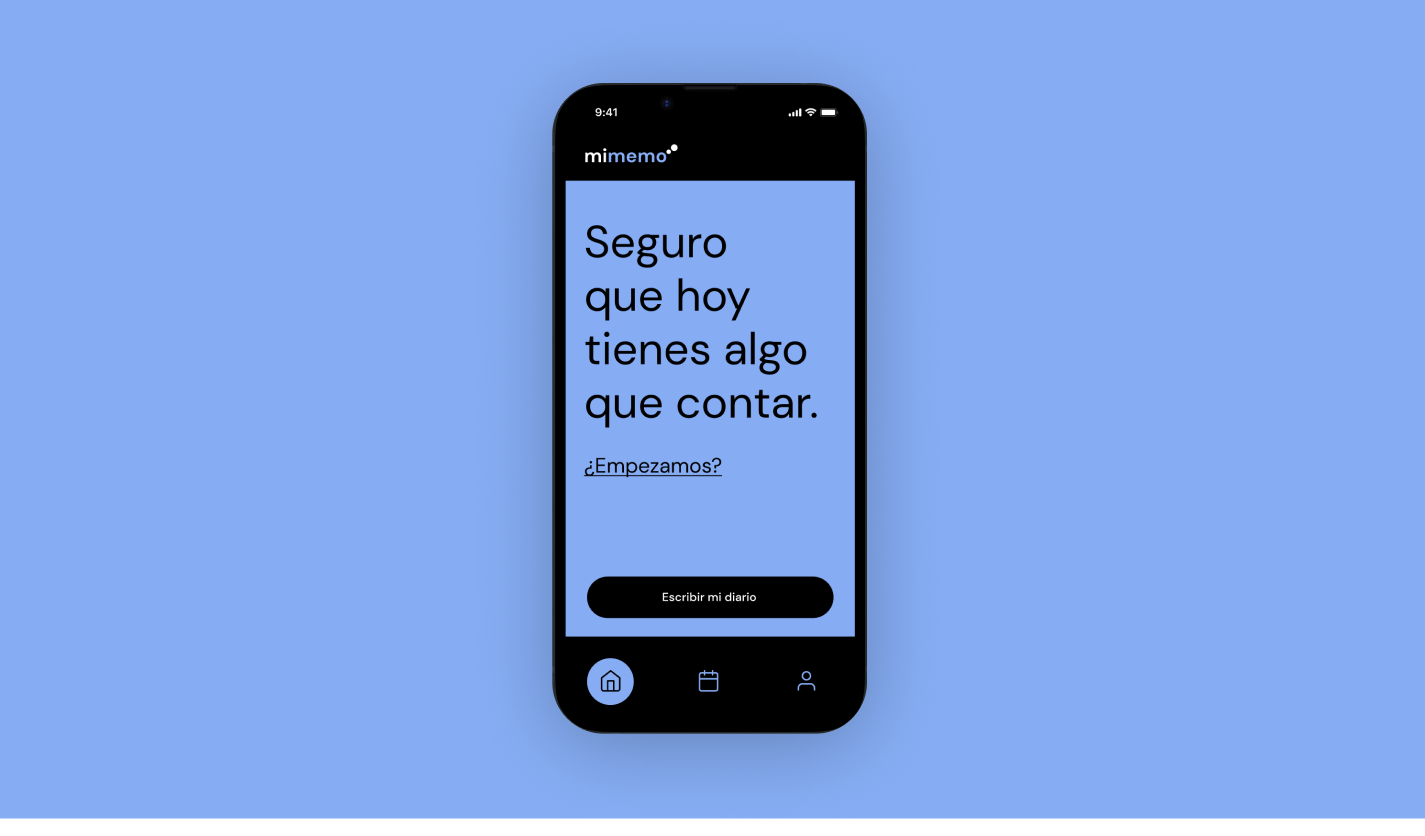
Mimemo
App & Responsive web design
UX/UI / DISEÑO VISUAL RESEARCH / BRANDING